- Discount up to 35% for first purchase only this month.
- support@regenx.uk

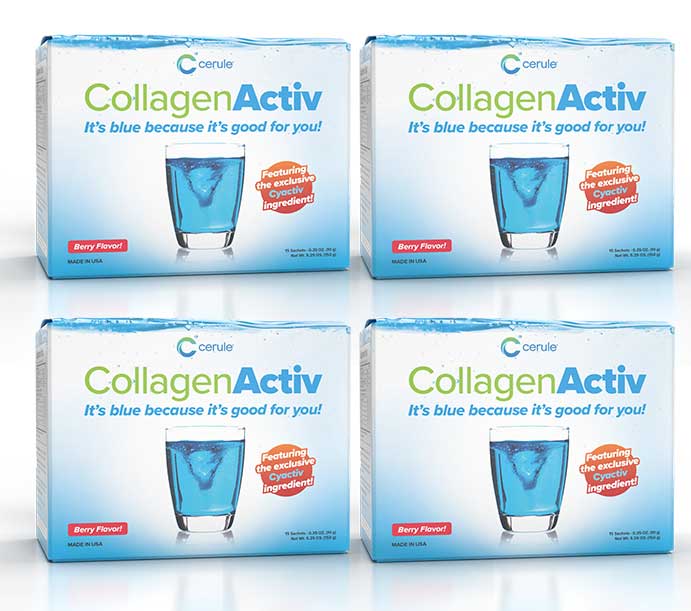


£305.00
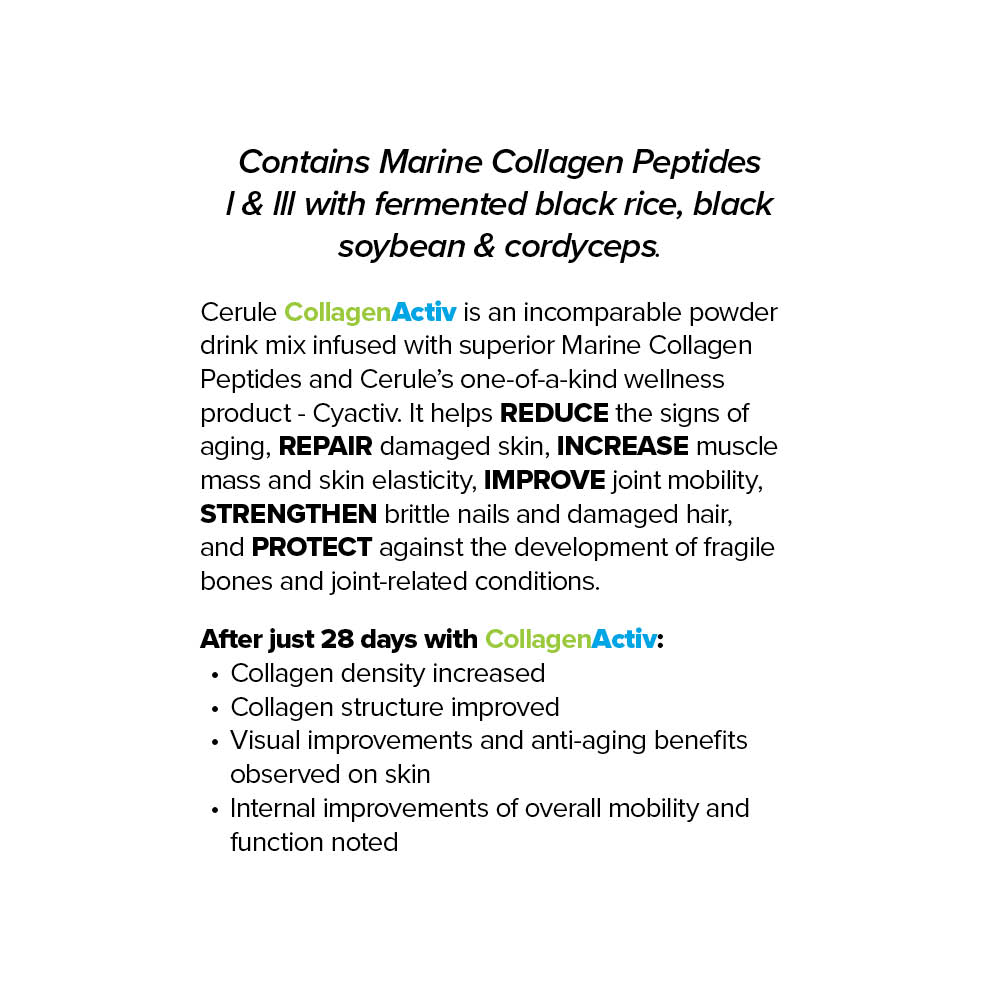
CollagenActiv is a UK wellness option for adults targeting collagen support and skin elasticity. This 5 Pack delivers best-value multi-month supply for consistent daily use and discovery-friendly regimen continuity.

Try any Regen X product risk-free. If you’re not satisfied, return it within 30 days for a full refund (excluding shipping).
No need to pay extra for delivery. Get your health back on track ASAP with delivery within 48 working hours.
Over 18 years of scientific research and multiple clinical trials back our product, ensuring effectiveness and safety.
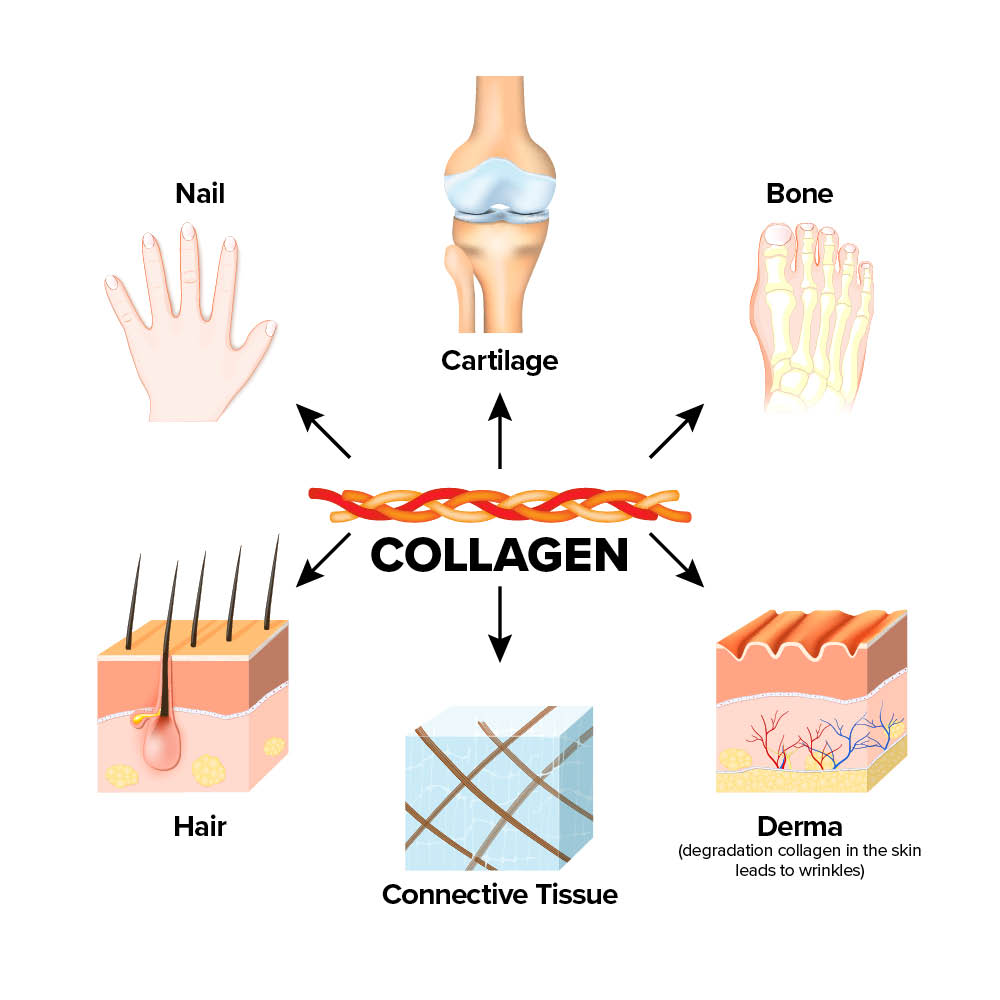
Collagen is the most abundant protein in your body, making up roughly 30% of your total protein content. It’s the structural scaffold that holds everything together — your skin, bones, tendons, ligaments, cartilage, blood vessels, and connective tissues all depend on collagen for their strength, flexibility, and integrity. Think of it as the steel rebar in concrete: without it, everything weakens and eventually collapses.
Here’s the challenge: from your mid-20s onward, your body’s collagen production declines by approximately 1-2% per year. By your 40s, you’re producing significantly less collagen than you did in your 20s. By your 60s, the decline is dramatic. The visible effects? Wrinkles, sagging skin, thinning hair. The invisible effects? Weaker bones, stiffer joints, less resilient blood vessels. Collagen decline is one of the primary drivers of the aging process — and one of the most addressable.
The supplement market is flooded with collagen products, and most of them don’t deliver meaningful results. The problem isn’t collagen itself — it’s the form. Many supplements use cheap, poorly processed collagen that passes through your digestive system largely intact. Your body can’t use collagen in its whole form — it needs to be broken down into small peptide chains that can be absorbed through the intestinal wall and delivered to tissues via the bloodstream.
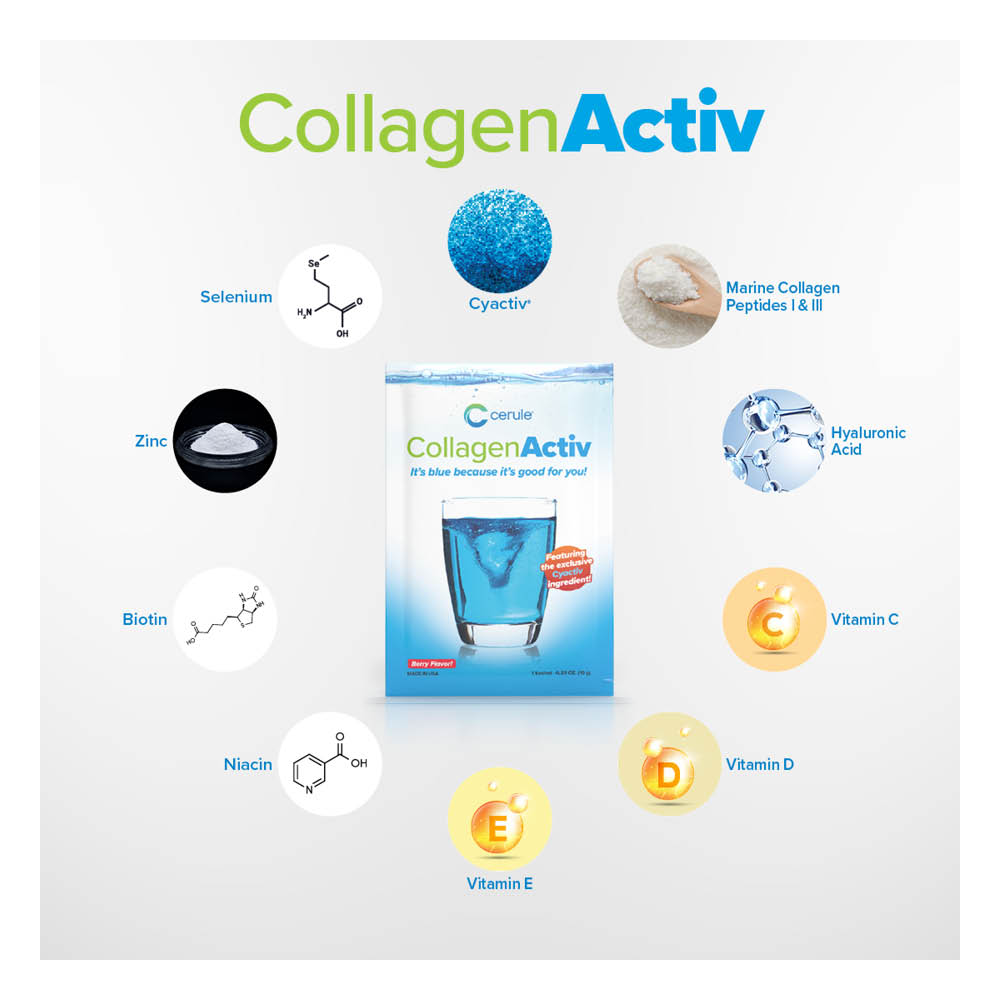
CollagenActiv uses hydrolysed collagen peptides — collagen that has been enzymatically broken down into optimal-sized peptide chains for maximum absorption. This process, called hydrolysis, creates peptides small enough to be absorbed but large enough to retain their biological activity. The result: collagen that actually reaches the tissues that need it.
Your body contains at least 28 different types of collagen, each serving a specific structural role:
The most abundant type, found in skin, tendons, bones, and connective tissues. Type I collagen is responsible for skin’s firmness and elasticity, and for the structural integrity of your bones and tendons. CollagenActiv provides targeted support for Type I production.
Found primarily in cartilage — the tissue that cushions your joints. Type II collagen gives cartilage its tensile strength and resilience. Declining Type II collagen is a major contributor to joint stiffness and cartilage degeneration.
Supports the structure of blood vessels, skin, and internal organs. Type III collagen works alongside Type I to maintain skin elasticity and the structural integrity of your circulatory system.
CollagenActiv provides a comprehensive blend that supports all three types simultaneously, giving your body the building blocks it needs for whole-body structural health.
Multiple clinical trials have demonstrated that collagen peptide supplementation improves skin elasticity, reduces wrinkle depth, and increases skin moisture levels. In one study, participants who took collagen peptides daily for 8 weeks saw a 20% reduction in wrinkle depth compared to placebo. Many CollagenActiv users report noticing visible improvements in their skin within 6-8 weeks.
Collagen is the primary structural protein in cartilage. When collagen production declines, cartilage becomes thinner and less resilient, leading to stiffness and discomfort. Clinical studies show that collagen peptide supplementation supports cartilage health, reduces joint pain, and improves physical function — particularly in active individuals and older adults.
Keratin — the protein that makes up your hair and nails — is built from amino acids that are abundant in collagen. Supplementing with collagen peptides provides your body with the raw materials it needs to produce stronger, healthier keratin. Many users notice their nails growing faster and breaking less, and their hair looking thicker and healthier.
Your bones are about 30% collagen by weight. This collagen matrix gives bones their flexibility and resilience — without it, they become brittle and prone to fracture. As collagen declines with age, bone mineral density can decrease. CollagenActiv supports the maintenance of the collagen matrix within your bones.
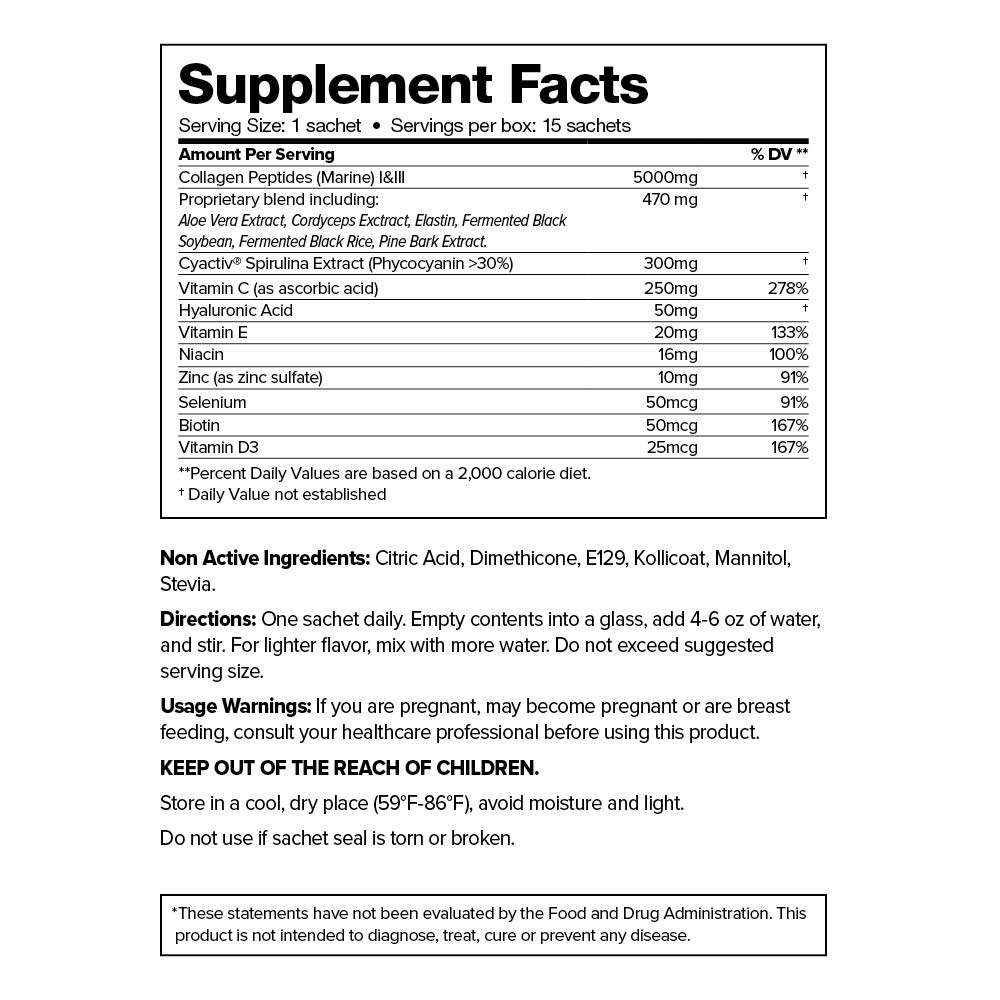
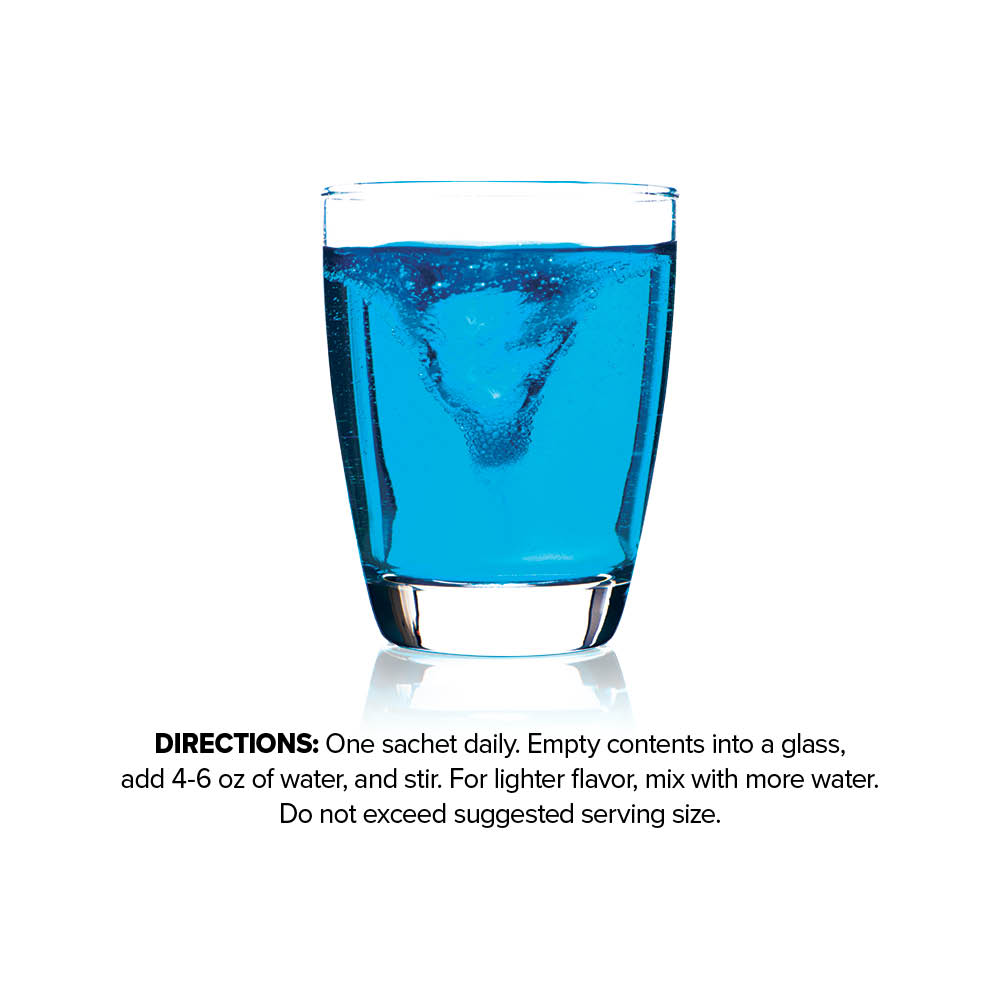
Take one capsule daily with water. Collagen peptides can be taken with or without food, at any time of day. For best results, take consistently for at least 8-12 weeks — this is the timeframe in which most clinical studies have observed significant improvements in skin, joint, and connective tissue markers.
CollagenActiv is manufactured in GMP-certified facilities with rigorous quality control at every stage. Every batch is tested for purity, potency, heavy metals, and contaminants. No fillers, no artificial colours, no unnecessary additives — just high-quality hydrolysed collagen peptides in a form your body can actually use.
Your body’s structural foundation is literally built on collagen. When collagen declines, everything weakens — your skin, your joints, your bones, your blood vessels. CollagenActiv provides the building blocks your body needs to maintain, repair, and strengthen this critical protein. It’s not a quick fix. It’s a long-term investment in the structural health that supports everything you do.
Type I collagen is the most abundant protein in the human body, accounting for approximately 90% of the body’s total collagen. It forms thick, densely packed fibres that provide tensile strength to tissues. You’ll find Type I collagen in your skin (where it provides firmness), tendons (where it transmits force from muscle to bone), bones (where it forms the organic matrix), and the fibrous capsules surrounding organs.
When Type I collagen production declines, the visible effects are dramatic: skin becomes thinner and less elastic, wrinkles deepen, and wound healing slows. Bones become more fragile as the collagen matrix weakens.
Type II collagen forms a thinner, more loosely organised network than Type I. It’s the primary structural protein in articular cartilage — the smooth tissue that covers the ends of bones where they meet in joints. Type II collagen gives cartilage its tensile strength and ability to withstand compression.
Declining Type II collagen is directly linked to osteoarthritis. As the collagen network in cartilage deteriorates, the tissue becomes thinner, less resilient, and more prone to damage. This is why joint supplements that focus solely on glucosamine (which supports cartilage matrix) without addressing collagen (which provides the structure) often fail to deliver meaningful results.
Type III collagen forms fine, reticular fibres that support the structure of organs, blood vessels, and skin. It’s particularly abundant in the walls of blood vessels (where it provides elasticity), the intestinal wall (where it provides structural support), and the uterus. Type III works alongside Type I to give tissues the right balance of strength and flexibility.
Native (undenatured) collagen is a large, triple-helix molecule with a molecular weight of approximately 300,000 daltons. Your body cannot absorb this intact — it’s simply too large to pass through the intestinal wall.
Hydrolysed collagen has been enzymatically broken down into small peptide fragments (typically 2,000-5,000 daltons). These peptides are:
CollagenActiv uses a specific hydrolysis process that optimises peptide size for maximum absorption and biological activity. The peptides are standardised to contain high levels of the amino acids proline, hydroxyproline, and glycine — the key building blocks of collagen.
Emerging research suggests a connection between gut health and skin health — often called the “gut-skin axis.” Collagen contains high levels of glycine and glutamine, amino acids that support the integrity of the intestinal lining. By supporting gut health, collagen supplementation may indirectly improve skin health through reduced systemic inflammation and improved nutrient absorption.
This dual action — direct structural support for skin AND indirect support through gut health — may explain why collagen supplementation often produces benefits that exceed what you’d expect from the direct mechanism alone.


![Cyactiv: Anti-Inflammation Supplement [Cerule]](https://regenx.uk/wp-content/uploads/2024/11/Bottle-CYA-USEN-300x300.png)


Regen X Stem Cell Therapeutics is a pioneering company in the field of regenerative health, focusing on enhancing the body’s natural stem cell functions. Based in London, UK, Regen X leverages cutting-edge research to develop products that promote tissue regeneration, repair, and overall wellness.
